Table of Contents
What do paper and music have in common? In Uiryeong-gun, they share the same stage every autumn.
This small county in South Gyeongsang Province is gearing up for its 2026 Sinban Hanji Ureuk Culture Festival. Mark your calendar for September 5, because Uiryeong-gun wants you there.
Uiryeong-gun Prepares a Festival Worth Celebrating
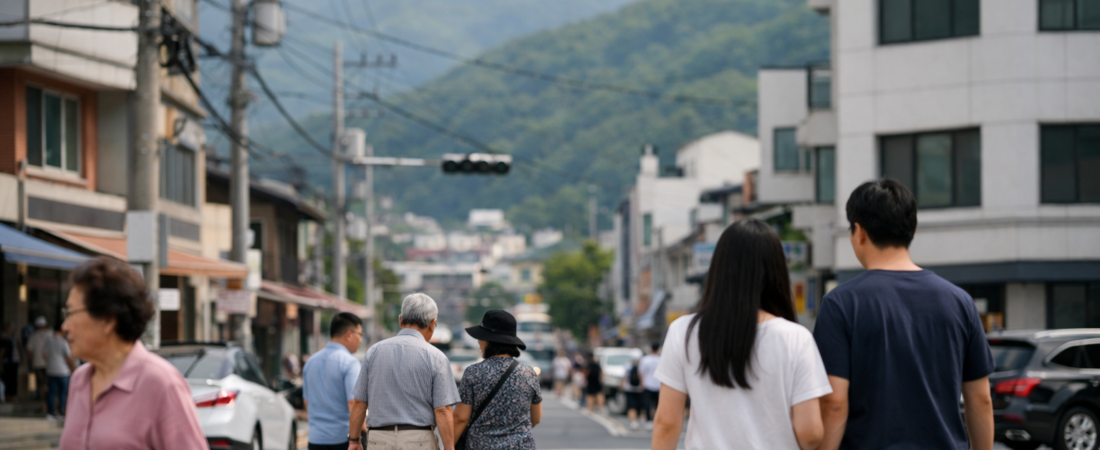
Uiryeong-gun announced on August 9 that it will hold the “2026 Uiryeong Sinban Hanji Ureuk Culture Festival” at the Ureuk Culture Plaza in Bureom Township. The event lands on September 5, and county officials say it’s designed to showcase two things Uiryeong-gun holds dear: traditional paper craft and one of Korea’s earliest known musical legends.
Why combine paper and music into one festival? Because both trace back to the same region, and both tell a story of Korean identity that predates modern borders.
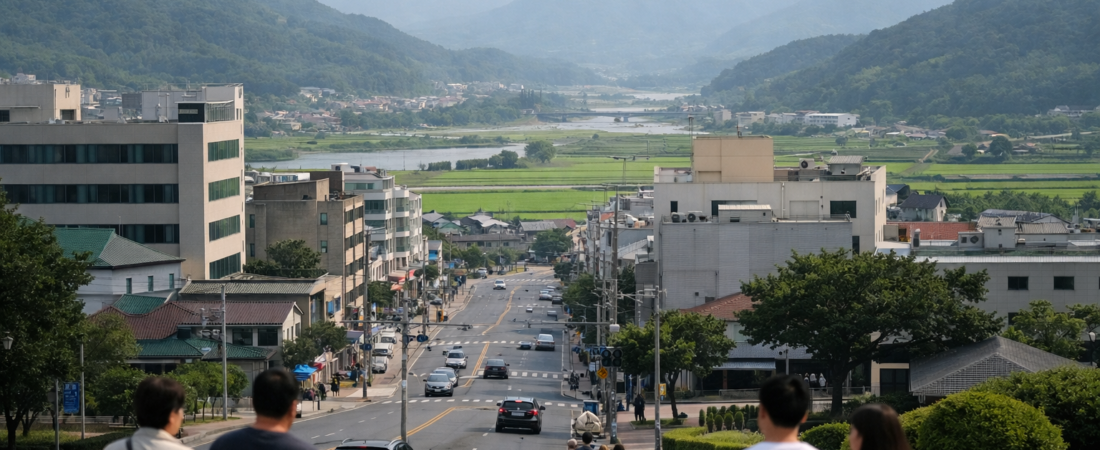
According to Yonhap News Agency, the festival aims to bring residents and visitors together around shared heritage. Uiryeong-gun isn’t a large county on the map, but its cultural footprint stretches back over a thousand years.
That’s a lot of history for one afternoon festival. Local officials clearly think it’s worth the effort, and honestly, it’s hard to argue otherwise.
The Legacy of Hanji in Uiryeong-gun
Hanji is traditional Korean mulberry paper, known for its durability and texture. Sinban, a neighborhood within Uiryeong-gun, has produced hanji for generations, and the craft remains a point of local pride today.
Have you ever held a piece of hanji? It feels different from ordinary paper — thicker, warmer, almost alive under your fingers.
Korean hanji makers traditionally used the inner bark of mulberry trees, soaking and beating the fibers by hand. This process could take days, and skilled papermakers passed their techniques down through families rather than schools.
Uiryeong-gun’s hanji tradition survived industrialization, war, and the rise of cheap synthetic paper. That survival alone says something about the resilience of local craft communities.
Today, hanji shows up in everything from art restoration to interior design, and its popularity is quietly growing again worldwide. Uiryeong-gun sits right in the middle of that quiet revival, whether the rest of the world notices or not.
The festival gives visitors a chance to see hanji-making up close, not just admire finished sheets behind glass. You can watch the fibers get pressed, dried, and shaped into something that has outlasted centuries of paper trends.
Ureuk: The Musician Who Shaped Korean Sound

Ureuk was a legendary musician from the ancient Gaya confederacy, credited with inventing the gayageum, a twelve-string zither still played across Korea today. Historical records connect him closely to the Uiryeong-gun region, which is why the county built a cultural plaza in his name.
Why does a musician from over 1,500 years ago still matter? Because the instrument he shaped still echoes in Korean music classrooms, concert halls, and even K-pop arrangements today.
Uiryeong-gun treats Ureuk not as a distant historical footnote but as a living thread connecting past sound to present culture. The Ureuk Culture Plaza itself hosts performances, exhibits, and now this festival, keeping his legacy audible rather than just written in textbooks.
Pairing Ureuk with hanji in one festival makes more sense than it first appears. Both represent things Koreans made with patience — one with strings and sound, the other with fiber and water.
Uiryeong-gun clearly wants visitors to feel that connection, not just read about it on a plaque.
What This Festival Means for Uiryeong-gun’s Future
Rural Korean counties face a real challenge: shrinking populations and fading local identity. Uiryeong-gun is no exception, and festivals like this one are, in part, an answer to that pressure.
Is a single autumn festival enough to reverse decades of rural decline? Probably not by itself, but it does something else that matters just as much — it gives younger generations a reason to feel proud of where they came from.
There’s a real tension here worth naming honestly. Small-town festivals can sometimes feel more like performances for outside visitors than genuine community life, and the pressure to attract tourists can quietly reshape traditions into something more marketable than authentic.
But that tension doesn’t erase the value of what Uiryeong-gun is attempting. When residents teach hanji-making to their own children, or when a local musician learns gayageum because Ureuk’s story finally felt personal rather than distant, something real takes root beneath the festival banners.
Hope in a small county doesn’t usually arrive as a grand announcement. It shows up quietly, in a grandmother showing a child how to press mulberry fibers, or in a teenager picking up strings their ancestors once tuned.
Uiryeong-gun’s festival won’t solve rural Korea’s deeper struggles overnight, and it shouldn’t be expected to. But it offers something communities everywhere need: a reason to gather, remember, and pass something forward before it quietly disappears.
Uiryeong-gun’s approach here reflects a broader pattern across Korea’s smaller counties. Local governments increasingly use cultural festivals not just for tourism revenue, but as a deliberate strategy to keep younger residents emotionally tied to their hometowns.
Will it work everywhere? Not necessarily, since success depends on genuine community involvement rather than top-down planning alone. Uiryeong-gun seems to understand this, building the festival around existing local craft and legend rather than importing something unrelated just for spectacle.
So what should global readers take away from a small paper-and-music festival in Uiryeong-gun? Perhaps this: cultural preservation rarely happens through grand gestures alone.
It happens through small, repeated acts — a festival held every year, a craft taught to one more child, a legend retold so it doesn’t fade into silence. Uiryeong-gun is betting on exactly that kind of quiet persistence.
What do you think about small Korean counties like Uiryeong-gun using festivals to keep local heritage alive?
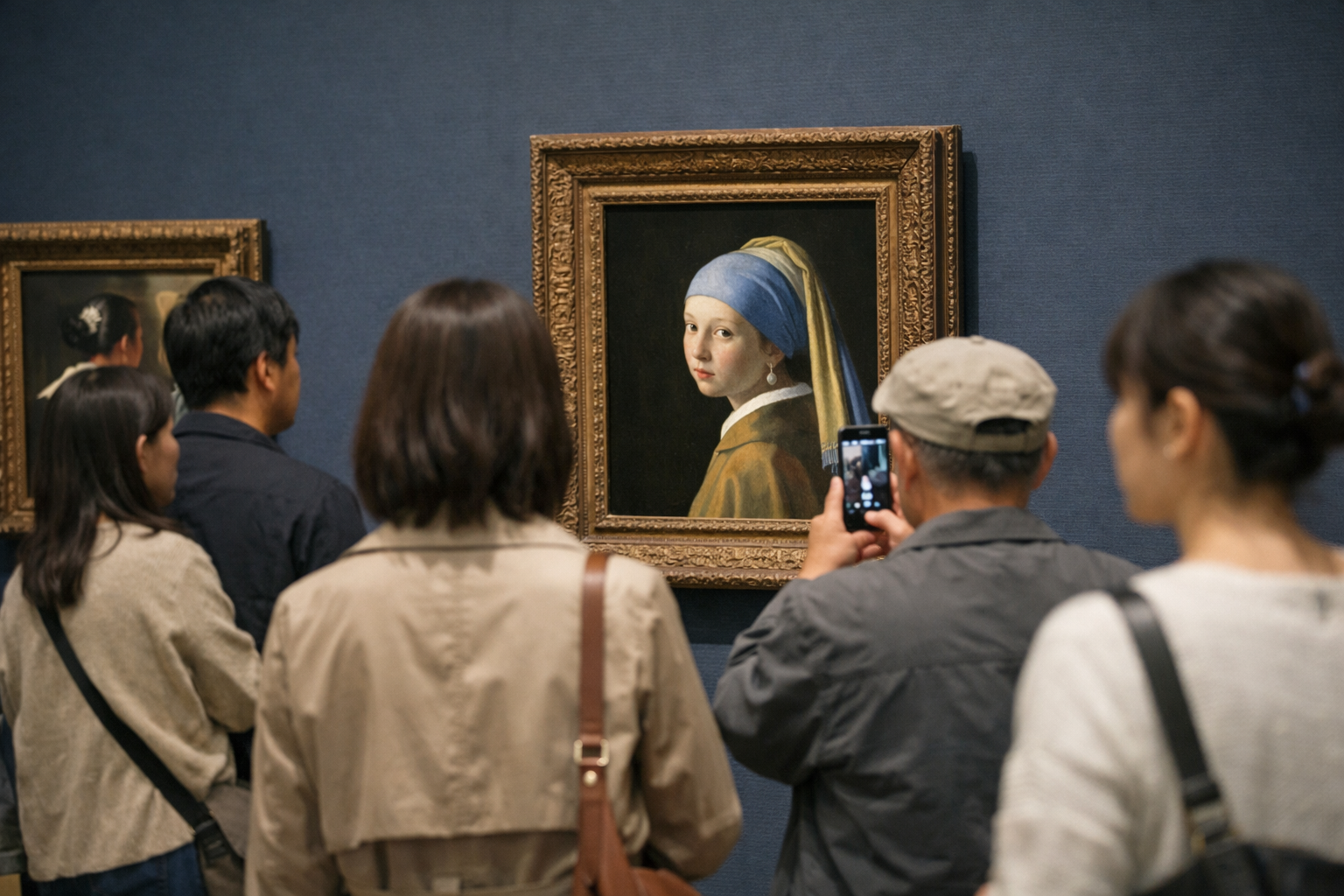
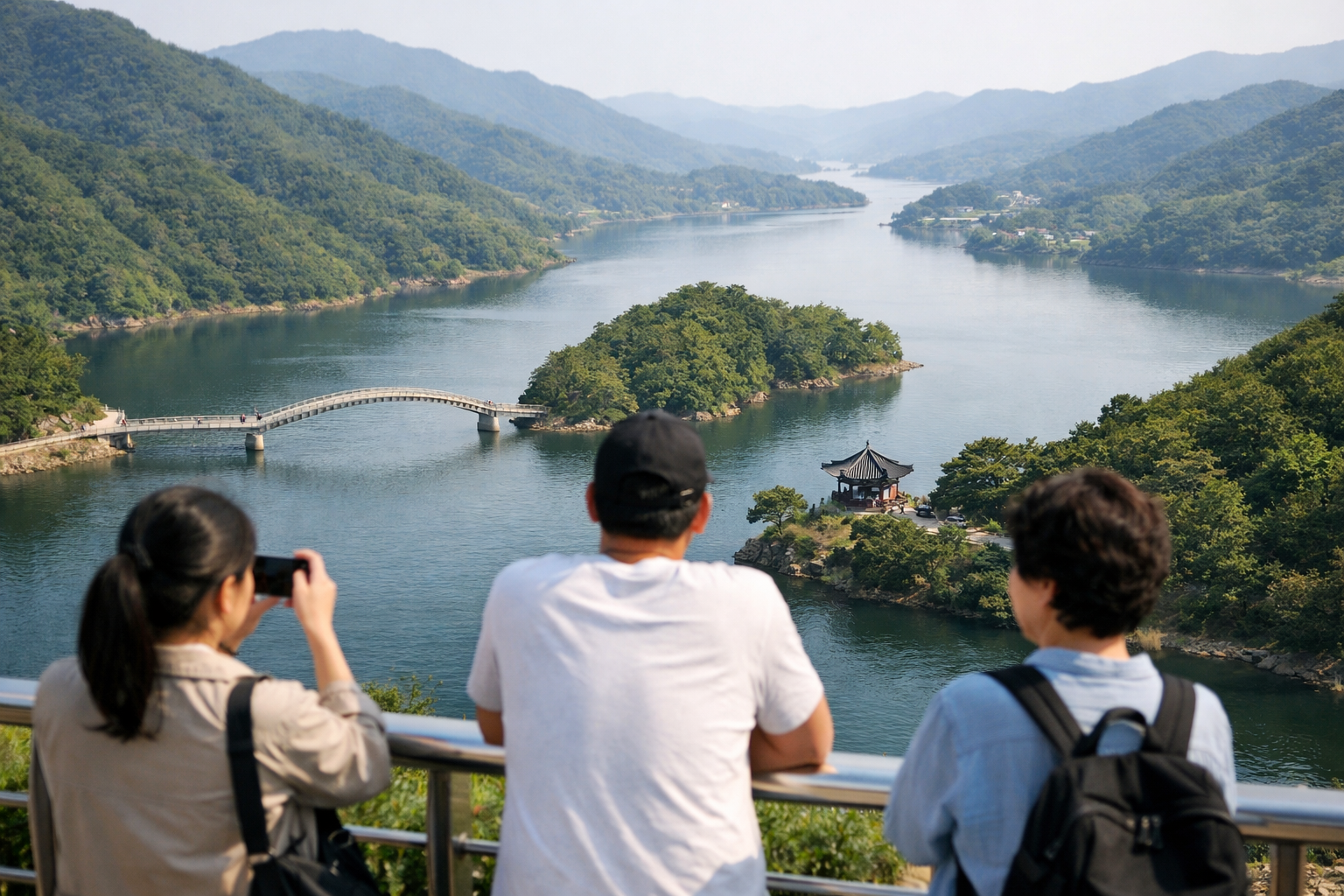
AI-Generated Photorealistic Image — All people, scenes, and details in this image are entirely AI-generated and fictional. Not a real photograph of an actual person or event. 이 이미지는 AI로 생성된 가상 이미지입니다.
Leave a Reply